Mycotoxin Risk Management Programme
- Programme
When it comes to mycotoxin exposure; always use the correct tool for the job

Piglets, whose bodies are composed of 80% water at birth, require direct access to ample quantities of clean, fresh water as well as quality feed to thrive. Managing livestock carefully from the start benefits both farmers and animals. This will lead to improved production and financial results over the long term.

Even though a piglet's body is made up of 70-80% water, this element is often neglected as a critically needed nutrient. At weaning, water intake is low, while environmental temperatures are often high, creating the perfect conditions for bacteria to multiply. Experiencing high bacterial challenge during this phase can lower a piglet's growth rate, decrease its feed intake and cause diarrhoea.

The success of any nutritional strategy starts with the quality of the raw materials. Trouw Nutrition has developed programmes to maximise the quality standards of feed ingredients, focused on two crucial pillars: nutritional value and feed safety.

Our unique electronic feeding stations for post-weaned piglets show that teaching them how to eat is critically important to their successful rearing. Offering creep feed doubles the success rate of continuous post-weaning feed intake, ensuring proper gut function and integrity and reducing the risk of digestive disorders.

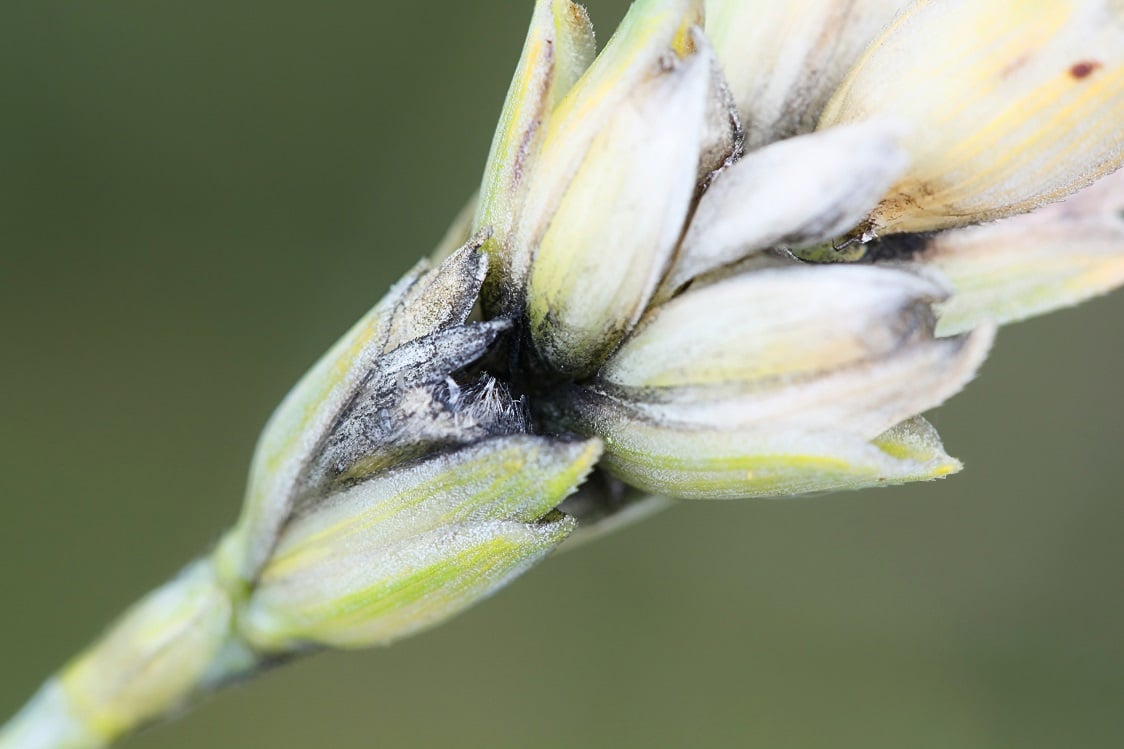
Raw material quality can be affected by physical, chemical and especially, microbiological risks, including bacteria, moulds, yeasts and mycotoxins. These microbes not only affect the nutritional quality of feed but may also lead to reduced animal performance. Particularly Mycotoxin contamination poses a risk, since it can cause clinical or subclinical symptoms resulting in reduced productivity, suppressed immunity and various pathological effects on organs and tissues. Additionally, microbes such as Salmonella have implications for public health as well. Controlling the level of feed safety often demands an integrated approach, with monitoring at each part of the feed supply chain.
Piglet diets should be formulated not only to meet nutritional requirements but to stimulate digestive functioning and fully support the immune system as it matures.